
Lead times: what the number actually covers
You cannot make production faster. You can make almost everything either side of it faster.
Published · 8 min read · By YCP Team

On this page
The chain, and where it actually breaks
Before production. Quotation, specification, sample, approval. This stretch is almost entirely under the BUYER'S control and is where most avoidable weeks are lost — an artwork file returned three days later, a sample approved after a fortnight of internal discussion, a specification question nobody answered. A factory that is waiting for you is not counting those days as its lead time, and it is right not to.
Materials. The factory cannot begin until its own suppliers deliver, and their queue becomes yours. This is the least visible link in the whole chain, because it is invisible in the quotation and the factory rarely volunteers it until it bites.
The line. Your order occupies a slot, and slots are allocated among customers. A factory that has quoted you a production time honestly may still not be able to start for weeks, because that time only begins when your order reaches the front of the queue. Ask for the START date, not just the duration — they are two different commitments and only one of them is usually given.
After production. Quality check, rework if there is any, packing, booking, and waiting for a vessel or a flight. Booking is a real queue with its own calendar: a container ready on Tuesday does not sail on Tuesday, and in peak weeks the wait for space can exceed the production time it followed.
So the useful mental model is a relay, not a stopwatch. Every hand-off is a place the baton can be put down, and the fix is almost never "make the factory faster" — it is removing the waits you created and the ones nobody has scheduled.
When does the clock start? Write it down
This is the highest-value sentence in the purchase order and it takes ten seconds to write. Name the event that starts the lead time and the event that ends it. For example: production time runs from written approval of the pre-production sample and receipt of the deposit, whichever is later, and ends when goods are packed and ready for inspection.
Notice what the ending has to be, too. "Ready for shipment" is ambiguous — ready to be inspected, ready to be collected, or on board? Those can be a fortnight apart, and a supplier who has hit "ready" on their definition while you are waiting on yours is not being evasive; they are answering a different question.
Then agree what pauses the clock. If you take five days to answer a question, the clock should pause — that is fair and it removes the incentive to hide the delay. Equally, if a component arrives late from the factory's own supplier, the clock should NOT pause, because managing their supply chain is what you are buying. Say which is which in advance; both parties will otherwise assume the version that favours them, honestly.
Ask for the two dates that matter, separately: the production START date and the goods-ready date. A duration without a start is not a schedule. And a factory that will commit to a start date is telling you something real about its order book, while one that will only quote a duration is not.
Finally, agree how a slip is communicated. Not whether — slips happen everywhere — but that you are told when it becomes known rather than when the date passes. The damage from a delay is mostly in the surprise: two weeks late, known four weeks out, is a rescheduling problem; two weeks late, known on the day, is a missed season.
The materials queue you cannot see
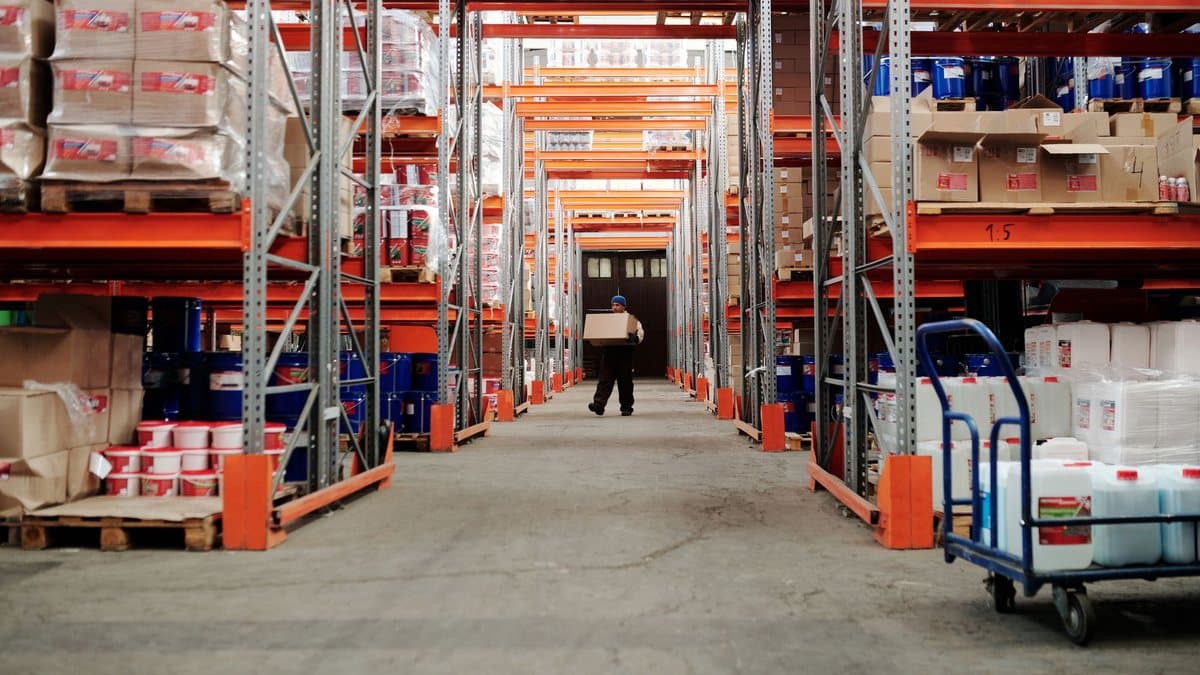
A factory assembles; it rarely makes everything. Cells, chips, connectors, cables, magnets, screens, printed cartons, foam inserts and printed film all come from somebody else, and the longest of those sub-suppliers' lead times is the true earliest start for your order.
Which is why a small specification decision can cost weeks with no warning. A colour outside the factory's standard range means a pigment or a material order. An unusual connector, an uncommon chip, a specific battery cell, a non-stock cable length — each substitutes an unfamiliar supplier's queue for a familiar one. None of it appears in the production time you were quoted, because it happens before production begins.
So ask the question directly, at quotation stage: which items on this bill of materials are not held in stock, and what are their lead times? A factory that has thought about your order can answer in a sentence. One that cannot is telling you the answer has not been checked, which is itself the finding.
And watch for the substitution risk this creates. A component that is late puts a factory under pressure to swap it for something available, and a swap made to protect a delivery date is exactly the swap that is not reported. Write into the purchase order that no component substitution is permitted without your written approval — it costs nothing and it turns a silent change into a conversation.
For anything you will reorder, the cheapest schedule improvement available is to let the factory hold long-lead components between orders, against a forecast. It converts a repeated wait into a one-off one and it costs a commitment rather than money.
Planning against a schedule you can defend
This page publishes no typical lead time in days, and the omission is the point of the article. The whole argument is that the quoted production figure is the wrong number to plan against; a second published number would simply be planned against instead, and it would be wrong for your product, your factory and your week.
Build the schedule backwards from the date the goods must be on sale, and put every link in it — including the ones that are yours. Approval time, materials, the production slot, production, inspection, rework contingency, booking, transit, clearance and inland delivery. A plan that contains only the factory's number is not a plan; it is one line of a plan.
Then add contingency where slips actually happen rather than at the end. The two places worth protecting are the inspection-and-rework window — because a failed inspection with no room left forces you to accept goods you would otherwise reject — and the booking window, because space is the one thing no supplier controls.
And know that the calendar has two structural stops. Production in China pauses around the major national holidays, capacity tightens sharply for weeks either side of them, and freight prices and space follow. The dates and what to do about them are their own subject and are covered separately; the point here is only that they are not a delay in your order — they are a property of the year, and a schedule that ignores them is not optimistic, it is incomplete.
Finally, treat the first order as the measurement. Record the actual date of every hand-off — approval given, materials in, production started, goods ready, booked, sailed, cleared, delivered — and you will have a schedule for the second order that is worth more than any quoted figure, because it is about your product at your factory.
Questions people actually ask
What does a quoted lead time actually cover?
Normally the production step alone — how long the factory needs on the line once it starts. That is usually the smallest link in the chain that decides when goods arrive, which also includes approval, materials, waiting for a slot, quality check, packing, booking, transit and clearance. Most slippage happens between those steps rather than inside production.
Why did a 30-day lead time turn into 60?
Most often because nobody agreed when the clock starts. The factory counts from materials being secured or a sample being approved; the buyer counts from paying the deposit. Both are acting in good faith and measuring different things. Write the trigger and the end event into the purchase order in one sentence and the argument disappears.
What is a typical production lead time for China?
No figure is published here, and that is deliberate. The article's whole argument is that the quoted production number is the wrong thing to plan against; a second published number would simply be planned against instead, and it would be wrong for your product, your factory and your week. Ask for a start date and a goods-ready date, separately, and plan from those.
Why do materials delay orders so often?
Because a factory assembles rather than makes everything, so its suppliers' queues become yours — and none of that appears in the production time you were quoted, since it happens before production starts. A colour outside the standard range, an unusual connector or a non-stock cable can each substitute an unfamiliar supplier's lead time for a familiar one. Ask at quotation stage which items are not held in stock.
How do I stop a factory swapping components to hit a date?
Write into the purchase order that no component substitution is permitted without your written approval. A late component puts a factory under pressure to use what is available, and a swap made to protect a delivery date is precisely the swap nobody reports. The clause costs nothing and turns a silent change into a conversation.
Where should I put contingency in the schedule?
Not at the end. Protect the inspection-and-rework window, because a failed inspection with no room left forces you to accept goods you would otherwise reject; and protect the booking window, because space is the one thing no supplier controls. Also plan around the major national holidays: they are not a delay in your order, they are a property of the year.