
The pilot order: how big, and what to check
The useful question is not how many units. It is what quantity gets made the same way the real order would be made.
Published · 9 min read · By YCP Team
On this page
A pilot order is an experiment, so give it a hypothesis
Before anything else, write down what you do not yet know. Not "whether they are good" — that is not testable — but the specific things that are still open after the samples: whether they hold the tolerance across a batch rather than on one unit, whether the finish is consistent, whether the packing survives, whether they hit a date, whether they tell you when something goes wrong or tell you afterwards.
That list decides everything else: the size, what gets inspected, and what a pass looks like. A pilot without it is a small order that you feel better about having placed, which is not the same as information.
It also tells you what NOT to spend the pilot on. Anything a sample can answer — does it fit, does it look right, does the mechanism work — should already be answered. The pilot exists for the questions that only appear at quantity: repeatability, variation, the behaviour of a factory under a schedule, and the parts of your own supply chain that have never been used.
One more question is worth adding on purpose: how do they handle a change? Introduce one small, legitimate change part way through — a packing detail, a label revision — and watch what happens. You are buying a relationship as well as goods, and how a supplier handles a mid-run change is the most useful thing you will learn all year.
How big: the smallest quantity made the way the real order will be
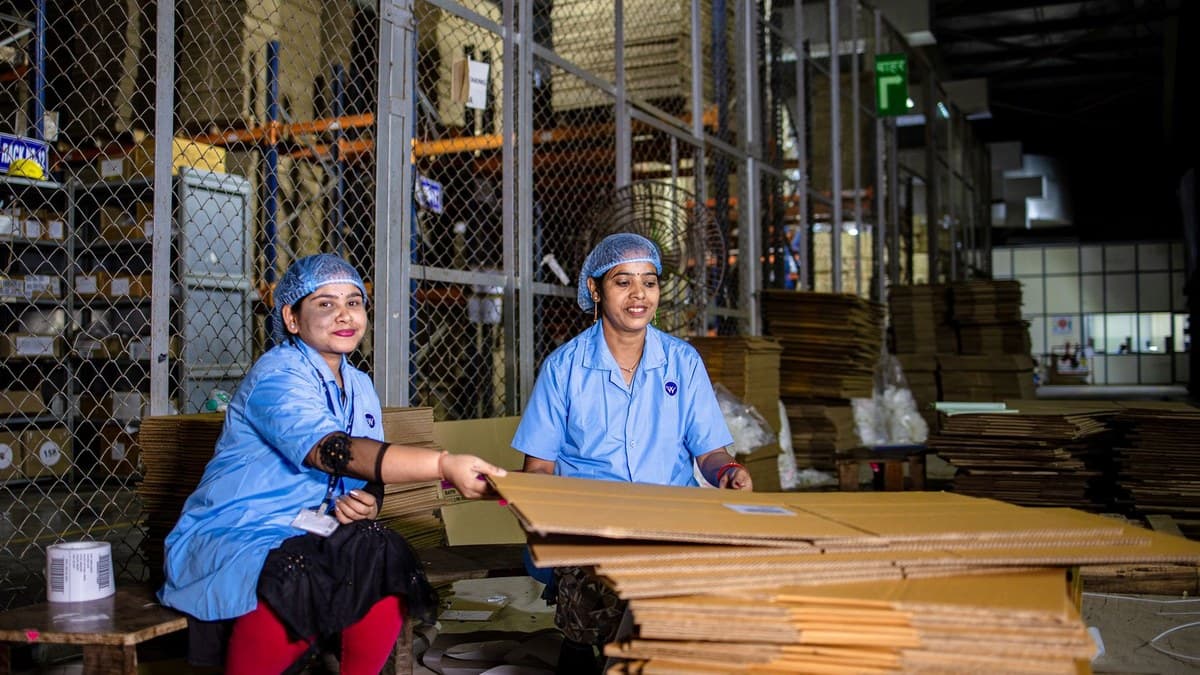
The trap is a pilot so small the factory cannot be bothered to set up properly for it. Below a certain quantity, a run stops being a run: the line is not reconfigured, the automated step is done by hand, the jig is skipped, the QC pass is done by the person who made it. Everything about that batch is unrepresentative — and it is usually BETTER than production, because it was made with unusual care, so it fails in the most dangerous direction.
So ask the factory directly: at what quantity does this get made the same way the full order would be made? That is a question they can answer precisely, it is about their process rather than your budget, and the number that comes back is the floor for a meaningful pilot.
Then check it against the other constraint: could you absorb losing the whole batch? Not "would it hurt" — could the business carry it. If the floor from the factory is above that line, the pilot is not the right instrument and the honest options are a different supplier, a simpler product, or accepting that you are taking a real risk with your eyes open.
Where a minimum order quantity sits above your pilot size, treat it as a conversation rather than a wall. A minimum is usually built from a material minimum, a setup cost and the factory's appetite, and each of those has a different answer — carrying a smaller run at a higher unit price, using a stock colour, or accepting a longer wait for a slot are all ordinary outcomes. What is not a good outcome is a "special small run" made off-process to accommodate you, which returns you to the trap above.
And do not negotiate the pilot price down to the volume price. A small run costs more to make and pretending otherwise starts the relationship with a price that has to move later. Instead, agree the price ladder in writing now — this quantity at this price, that quantity at that price — so the volume price is a commitment rather than an expectation.
Run the whole chain, not just the factory
A pilot that arrives at your door with everything handled by the supplier tests their production and nothing else. That is half an answer, and it is the half you were least worried about.
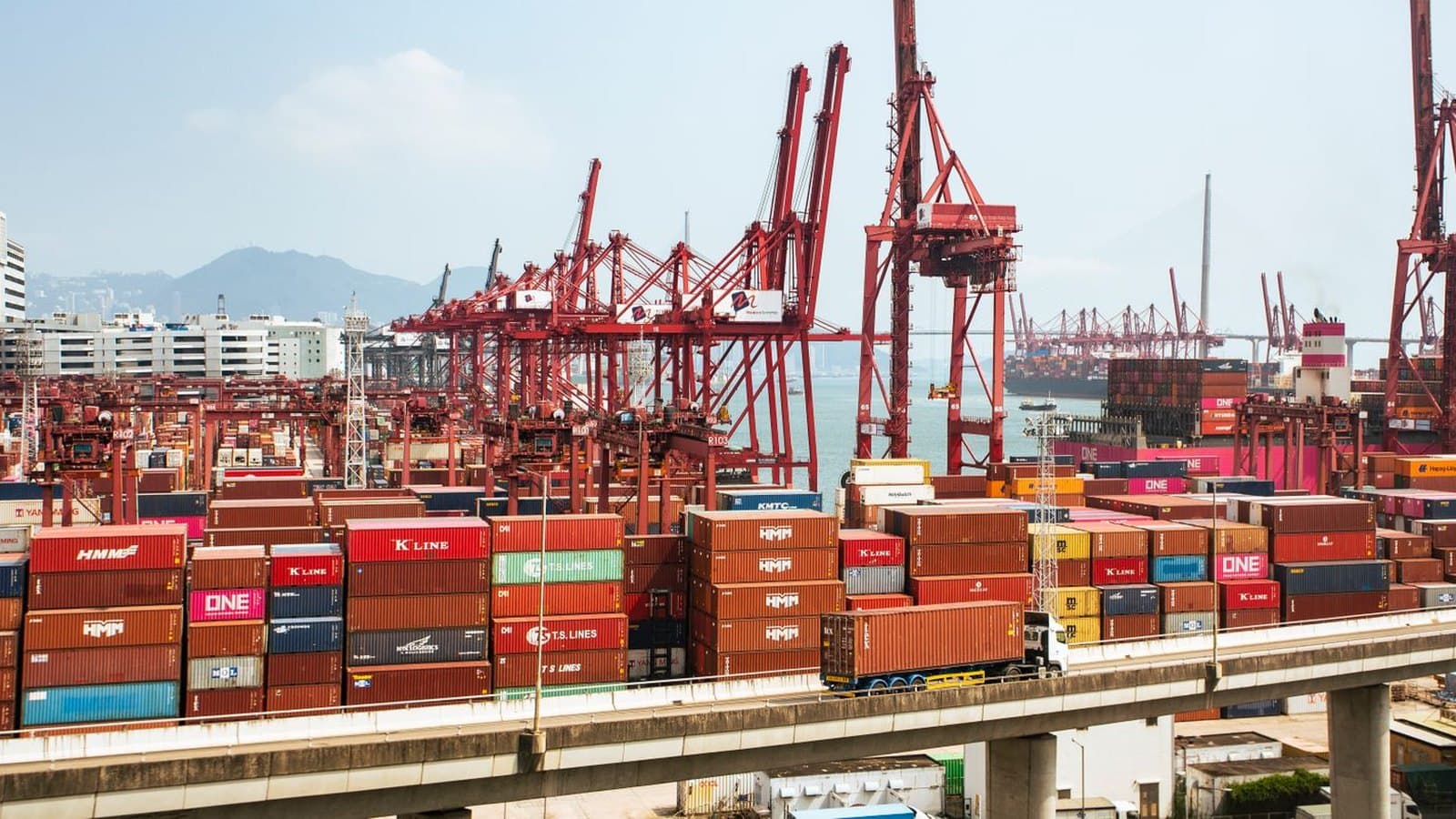
Use the incoterm you intend to use at volume. If the real orders will be FOB, do the pilot FOB — book the freight, deal with the forwarder, watch the documents arrive late or wrong, find out that your customs broker needs something nobody mentioned. Those problems are cheap now and expensive at volume.
Use the real labelling and the real paperwork. Country-of-origin marking, importer details, warnings, language requirements, the declaration your own market wants. A pilot that ships with placeholder labels has skipped the step that most often stops a container at a border.
Use the real packing. Cartons, inner packing, pallet configuration, the carton markings your warehouse expects. Transit damage and warehouse rejection are both discovered here or discovered at scale.
And make somebody do the receiving properly. Count it, inspect it against the specification, check it against the packing list, and record what you find. A pilot whose goods are put into stock unexamined has cost you money and taught you nothing.
What to measure, decided before the goods exist
Defect pattern, not just defect count. Ten failures of one kind is a process problem you can have fixed; ten failures of ten kinds is a control problem, which is much worse news and takes longer to fix.
Variation across the batch. Measure units from the start, the middle and the end of the run. Drift across a batch — a dimension creeping, a colour shifting, a weld weakening as a tool heats or wears — is invisible in any single unit and is exactly what a pilot is for.
The paperwork chain. Did the invoice, packing list, certificate and test report all arrive, all name the same product and the same company, and all match what actually shipped? A supplier who is casual with documents at pilot scale will be casual with them at volume, when the consequence is a stopped container.
Lead time against the promise, and how the news travelled. Late is normal. Late and you found out from the tracking is the finding. Write down the date they promised, the date it shipped, and the date they told you it would slip.
And keep the balance payable after inspection. It is what makes every measurement above actionable rather than merely recorded — the difference between "we found this and it was corrected" and "we found this and wrote a letter".
Reading the result
A clean pilot is good news about one batch. It is not proof of a system, and the second order is where a supplier's real consistency shows — often with a different operator, a different material lot and less attention, because you are now a customer rather than a prospect. Inspect the second order too.
A pilot with problems is not automatically a failure. What matters is what happened next: whether they found it before you did, whether the explanation matched the physical evidence, whether the fix was a process change or a promise, and whether they charged you for their own mistake. A supplier who handles one real problem well is worth more than one who has never had a problem you know about.
The failure to walk away from is the one where nothing was learned: goods that broadly worked, a factory that was broadly fine, no measurements taken, no documents checked. That pilot has converted cash into stock and left every original question open.
Then write the result down where the next order can see it — what was agreed, what was measured, what was still open. The pilot is only worth what it teaches the order after it, and that knowledge lives in a document or it does not live at all.
Questions people actually ask
What is a pilot order?
A small first production order placed to test a supplier and your own supply chain before committing to volume. It is distinct from a sample: a sample tests the product, a pilot tests repeatability, the factory under a schedule, the documents and your own import process.
How many units should a pilot order be?
There is no universal number, and any page that gives one is guessing. The right size is the smallest quantity that is made the way your full order would be made — same tooling, same line, same materials — and that is a question the factory can answer precisely. Below that, the batch is built with unusual care and predicts nothing.
Is a pilot order the same as a trial order?
The terms are used interchangeably. What matters is whether it is designed as a test — with a written list of what is being measured and a balance payable after inspection — or is simply a small purchase, which teaches nothing.
Should I expect to pay more per unit for a pilot order?
Yes. A small run genuinely costs more to make, and negotiating the pilot down to the volume price starts the relationship with a price that has to move later. Agree the price ladder in writing instead — this quantity at this price, that quantity at that price.
What if the supplier's MOQ is higher than my pilot?
Treat it as a conversation. A minimum is usually built from a material minimum, a setup cost and the factory's appetite, and each has a different answer — a higher unit price for a smaller run, a stock colour, or a longer wait for a slot. Avoid a "special small run" made off-process, which is unrepresentative in the most flattering direction.
Can a sample replace a pilot order?
No. A sample answers whether the product is right. A pilot answers whether it can be made repeatedly, whether the factory holds a schedule, whether the documents are correct and whether your own freight, labelling and customs path works. Those questions only appear at quantity.
Should the pilot ship DDP to make it simple?
Not if the real orders will not. A pilot delivered to your door with everything handled tests the supplier's production and nothing about your own import chain — which is the half most likely to surprise you at volume. Use the incoterm, forwarder, labelling and customs entry you intend to use for real.