
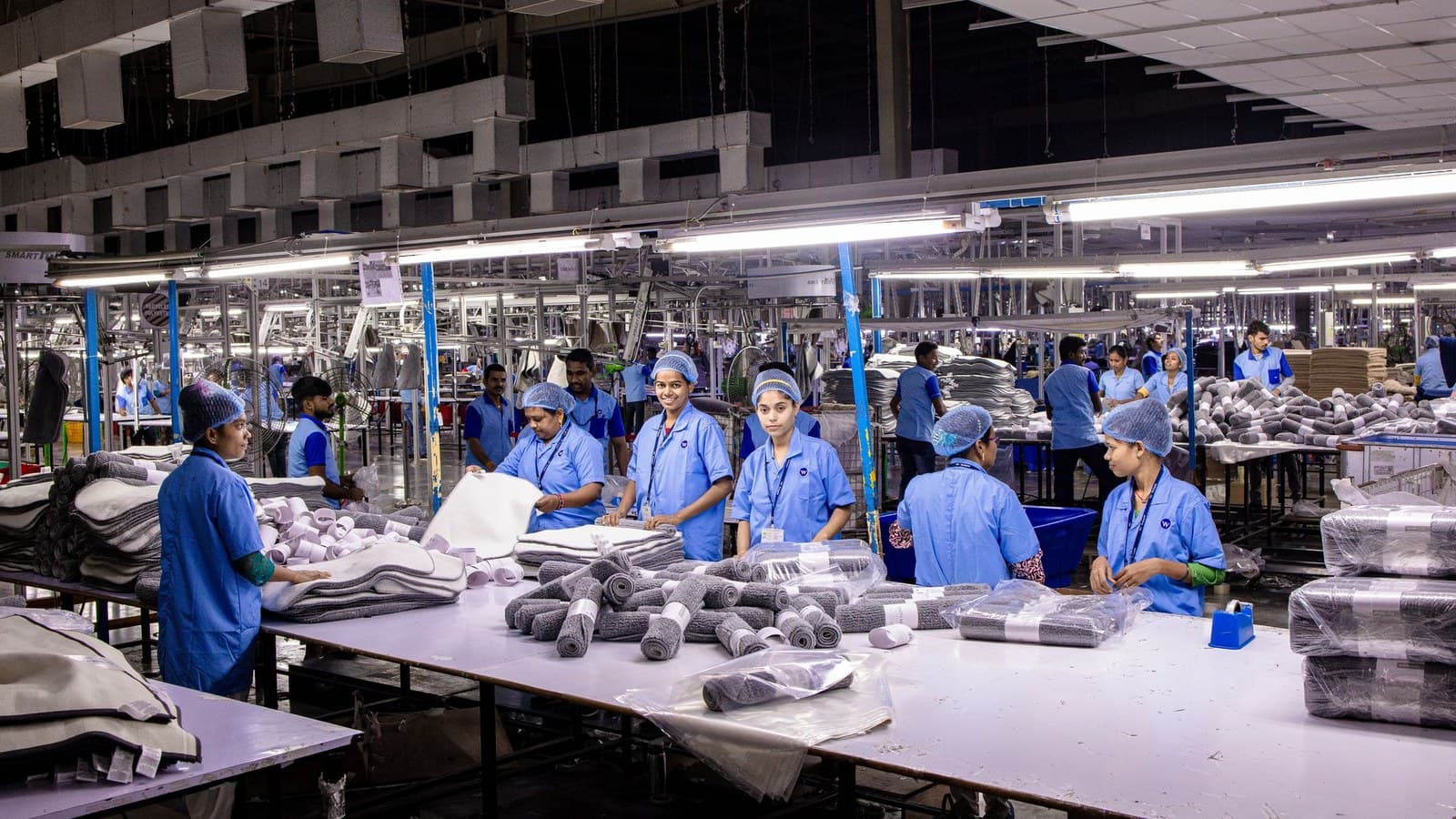
OEM and ODM
Two words that get used interchangeably and mean very different things to your cost, your timeline and your intellectual property.
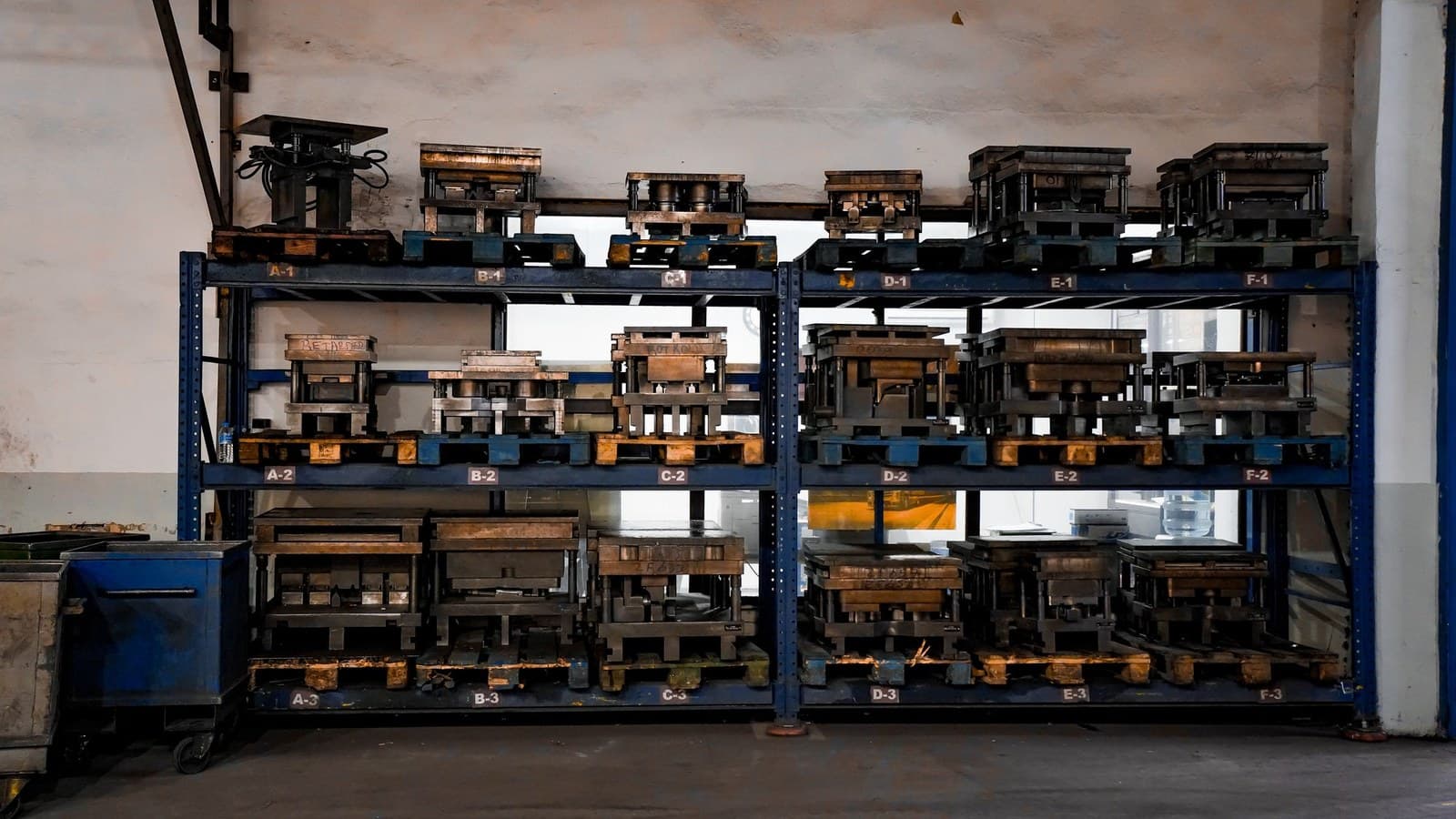
The mould you paid for
Ask who owns the mould before you pay for it, and get the answer in writing. A mould you have paid for that lives in a factory you no longer want to use is the most common way an importer becomes locked into a supplier. Make customer-owned tooling the default and have it named on the quotation rather than agreed in conversation, and treat a refusal as information — a factory that will not agree to it is telling you something before you have spent anything.
The difference, in the only terms that matter
ODM means the factory already owns the design. You choose from what exists, change the colour, the logo, the packaging and perhaps the firmware, and you are shipping in six to eight weeks. Tooling costs you nothing because it already exists, and so does everyone else's version of the same product — including your competitor's.
OEM means the product is built to your design. You own the drawings, you pay for the tooling, and nobody else can buy that shape. It takes three to five months to first production and it costs real money before a single sellable unit exists.
What tooling actually costs
A simple injection mould for a small plastic housing starts in the low thousands of Singapore dollars; a multi-cavity family mould with slides and a good surface finish costs several times that. The real number depends on cavity count, steel grade and expected lifetime shots, so it is quoted against your drawing rather than listed anywhere.
When custom is the wrong answer
If your first order is under a few thousand pieces, tooling rarely amortises. A private-label ODM product with your own packaging and a firmware change is usually the better commercial decision, and it lets you find out whether the product sells before you commit to a shape.
The exception is when the shape is the product — a housing that fits specific equipment, a form factor nobody makes, a certification requirement that existing designs fail. Then custom is not a premium, it is the only route.
Certification is part of the design decision
A custom design needs its own certification. CE and UKCA are supplier declarations backed by a technical file and test reports; Japan's PSE and several other regimes require a third-party certified body, which adds both time and cost. For anything with a lithium cell you also need a UN38.3 test summary before it can legally be transported.
None of that is difficult, but all of it takes weeks, and it is the part most commonly discovered late. For exactly that reason, ask for compliance support as its own line on the quotation.
The difference is who owns the mould
OEM is your drawing, built to your order; ODM is the factory's own design with your brand on it. The word on the quotation decides who may sell the same thing to somebody else next season — and it is agreed before a factory sees a file, not afterwards.
- OEM is your drawing, built by the factory to your order
- ODM is your drawing, and only you may sell it
- The quotation says which of the two you are buying
- Nothing reaches a factory before the paperwork is signed
Post an RFQ
Eight answers, then a password — that is your account. Factories quote through us and never see who you are.
See the quotes on your briefs
Every quote against every brief you have filed, in one place.