
Dropshipping or wholesale
A model priced on duty-free small parcels is priced on a policy that has gone.
Published · 7 min read · By YCP Team
On this page
Two balance sheets, not two prices
Set the prices aside and look at what each model owns, because that is what actually differs.
Dropshipping owns demand and owns nothing else. You carry the cost of acquiring a customer and the obligation to serve them. You do not carry inventory — and you also do not carry the product, which means you do not control what arrives, in what packaging, at what quality, or on what day.
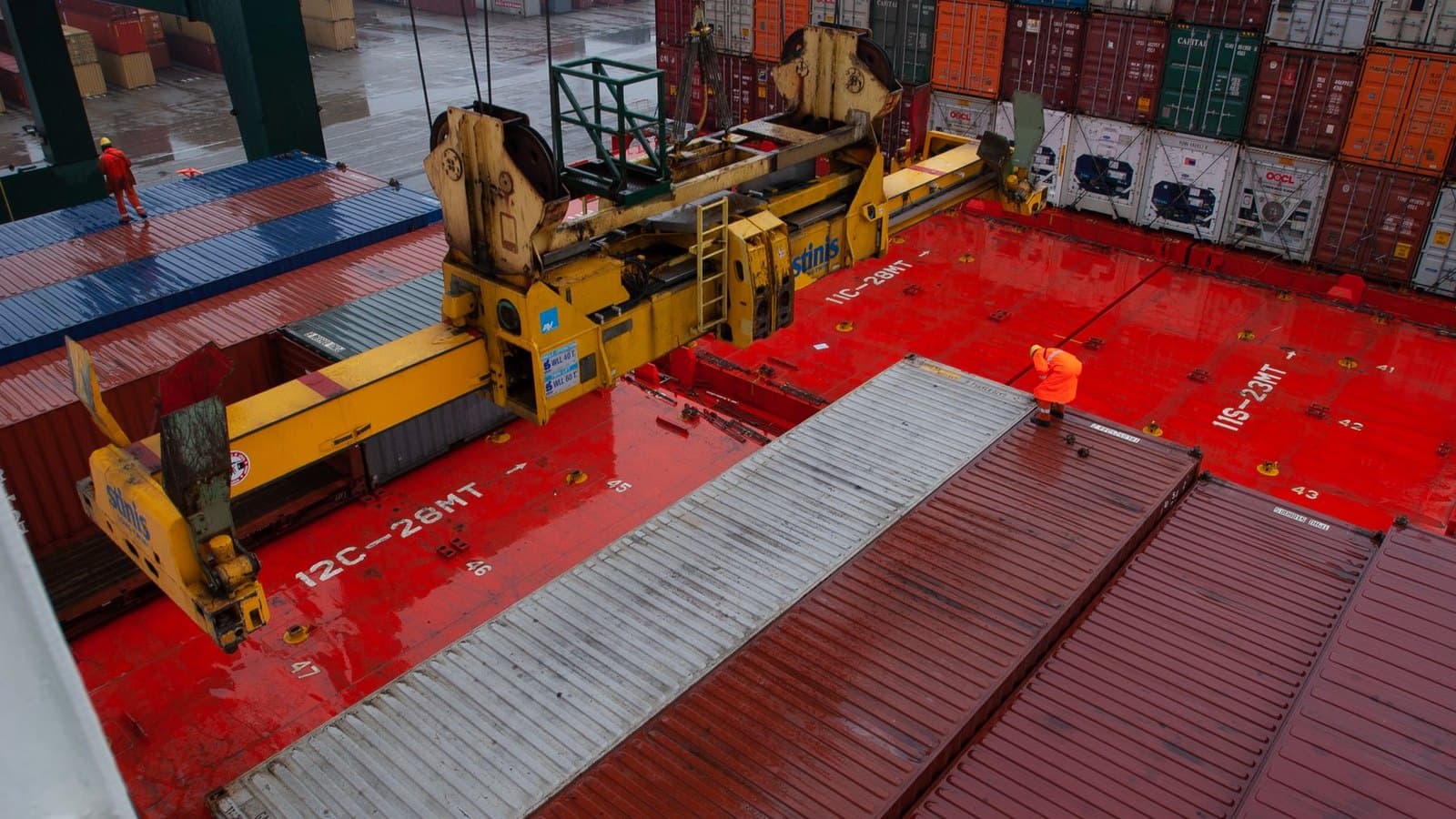
Wholesale owns the goods. Capital is tied up, you carry storage and the risk of being wrong about demand, and you carry the obligation to sell what you bought. In exchange you control the specification, the packaging, the inspection and the delivery — which is to say you control the entire experience a customer has after they pay.
And here is the asymmetry that decides most cases: the customer complains to you either way. A dropshipped order that arrives late, damaged or wrong is your refund, your review and your reputation — with none of the levers that would have prevented it. That is the real price of not owning inventory, and it is not on any comparison chart.
No margin percentages are published here for either model. They depend on your category, your acquisition cost and your market, and a figure would describe somebody else's business.
What the border changes did
Cross-border dropshipping was, for a decade, quietly subsidised by low-value import relief. A single parcel from a factory to a consumer usually arrived with no duty, often no tax, and frequently no declaration at all. All three of those have been closing, everywhere, at once.
The largest single change is the United States, where the duty-free de minimis exemption was suspended for all countries — *regardless of value, country of origin, mode of transportation, or method of entry* — from 29 August 2025, and continued by a further order in February 2026. What replaced it is not a lower threshold; it is an entry, filed by a party qualified to make it.
The EU did the same thing earlier and in two steps: the €22 VAT relief went in 2021, an import declaration became required for all goods regardless of value at the same time, and the removal of the €150 customs-duty exemption has since been announced.
And the same movement across Asia and the Pacific: Vietnam abolished its exemption outright; Malaysia introduced a seller-collected tax on low-value goods; Indonesia's relief covers duty but not VAT; the Philippines' threshold is indexed and relieves payment rather than permission; Australia's line moved the collection point rather than exempting anything.
Seven markets, three years, one direction. So the honest instruction is: price as though no low-value relief exists, in every market. If your unit economics only work with it, you are running a business whose margin is set by a policy you do not control and cannot forecast — and seven governments have now demonstrated how fast that policy moves.
What each model is genuinely good for
Dropshipping is a testing instrument. It is very good at answering one question cheaply: *does anybody want this?* No capital, no commitment, fast to start, fast to stop. Treat it as market research with revenue attached and it is excellent; treat it as a business model and the structural problems above arrive at scale.
Wholesale is a product business. It only makes sense once you have evidence of demand, because you are buying inventory against a forecast. But it is the only one of the two in which you can improve the product, control the packaging, put your name on it and defend a margin — because a product nobody else can buy is the only durable defence against being undercut.
And the transition between them is where people get hurt. The common failure is moving to wholesale on one good month, buying too much of the wrong variant, and discovering that inventory is a decision you cannot undo. The pilot-order page exists for exactly that step: buy small, verify, then commit.
Neither model changes the compliance question. Whether goods may be placed on your market at all, who is responsible for that, and what documentation must exist are properties of the product and the destination — not of how you bought it. A dropshipped product with no conformity file is the same regulatory problem in smaller boxes, and the party the regulator reaches is the one who placed the goods on the market.
How to decide, in four questions
Do you have evidence of demand? If not, test first — and dropshipping is a legitimate way to test. If yes, the argument for continuing to rent somebody else's inventory gets weak quickly.
Can you survive being wrong about the quantity? That is the whole capital question, and it is the honest reason many people should not go wholesale yet.
Does your product need to be controlled? If the packaging, the specification or the consistency matters to your customers — and it usually matters more than people expect — you cannot rent that.
And: does your model still work with duty, tax and a declaration on every parcel? Because that is now the position in most of the markets this site covers, and it is the question that has quietly retired a lot of business plans in the last three years.
A last, practical note. Whichever you choose, the work this whole site describes does not change: find, verify, specify, inspect, and know who the importer of record is. Those five survive every model, every platform and every threshold — which is why they are the thing worth learning.
Questions people actually ask
Is dropshipping from China still worth it?
It depends on whether your economics survive duty, tax and a declaration on every parcel — which is now the position in most markets. The low-value import regimes that made cross-border dropshipping cheap have been narrowed or removed across seven markets in three years: the United States suspended its de minimis exemption for all countries in August 2025 and continued it in February 2026; the EU abolished its €22 VAT relief, requires a declaration for all goods regardless of value, and has announced removal of the €150 duty exemption; Vietnam abolished its exemption outright; Malaysia introduced a seller-collected tax. Price as though no relief exists.
What is the real difference between dropshipping and wholesale?
They are two different businesses with different balance sheets, not two ways of buying. Dropshipping owns demand and nothing else: no capital tied up and no control over product, packaging, quality or delivery date. Wholesale owns the goods: capital at risk, storage and the possibility of being wrong about demand — in exchange for control over everything the customer experiences after they pay. And the asymmetry that decides most cases is that the customer complains to you either way.
Which is more profitable?
No margin figures are published here for either model, because they depend on your category, your customer acquisition cost and your market — a number would describe somebody else's business. The more useful framing is which risks you want on your own balance sheet, and whether your unit economics still work now that low-value relief has largely gone.
When should I switch from dropshipping to wholesale?
When you have evidence of demand and can survive being wrong about the quantity. The common failure is switching on one good month, buying too much of the wrong variant, and discovering that inventory is a decision you cannot undo. Buy small first, verify, then commit — that is exactly what a pilot order is for.
Does dropshipping avoid compliance obligations?
No. Whether goods may be placed on your market at all, who is responsible for that, and what documentation must exist are properties of the product and the destination, not of how you bought it. A dropshipped product with no conformity file is the same regulatory problem in smaller boxes, and the party a regulator reaches is whoever placed the goods on the market.
What stays the same whichever model I choose?
Five things: find, verify, specify, inspect, and know who the importer of record is. They survive every model, every platform and every threshold — which is why they are the part worth learning rather than the part worth outsourcing to whichever channel is currently cheapest.