
Quality control: the four gates, in order
Almost every buyer acts at the last gate — the one where nothing can still be changed cheaply.
Published · 7 min read · By YCP Team
On this page
Gate 1 — the specification, before anyone quotes
This is the highest-leverage hour in the entire order and it happens before money changes hands. A quotation given against a thin description is a quotation for a product nobody has defined, and every later argument traces back to it.
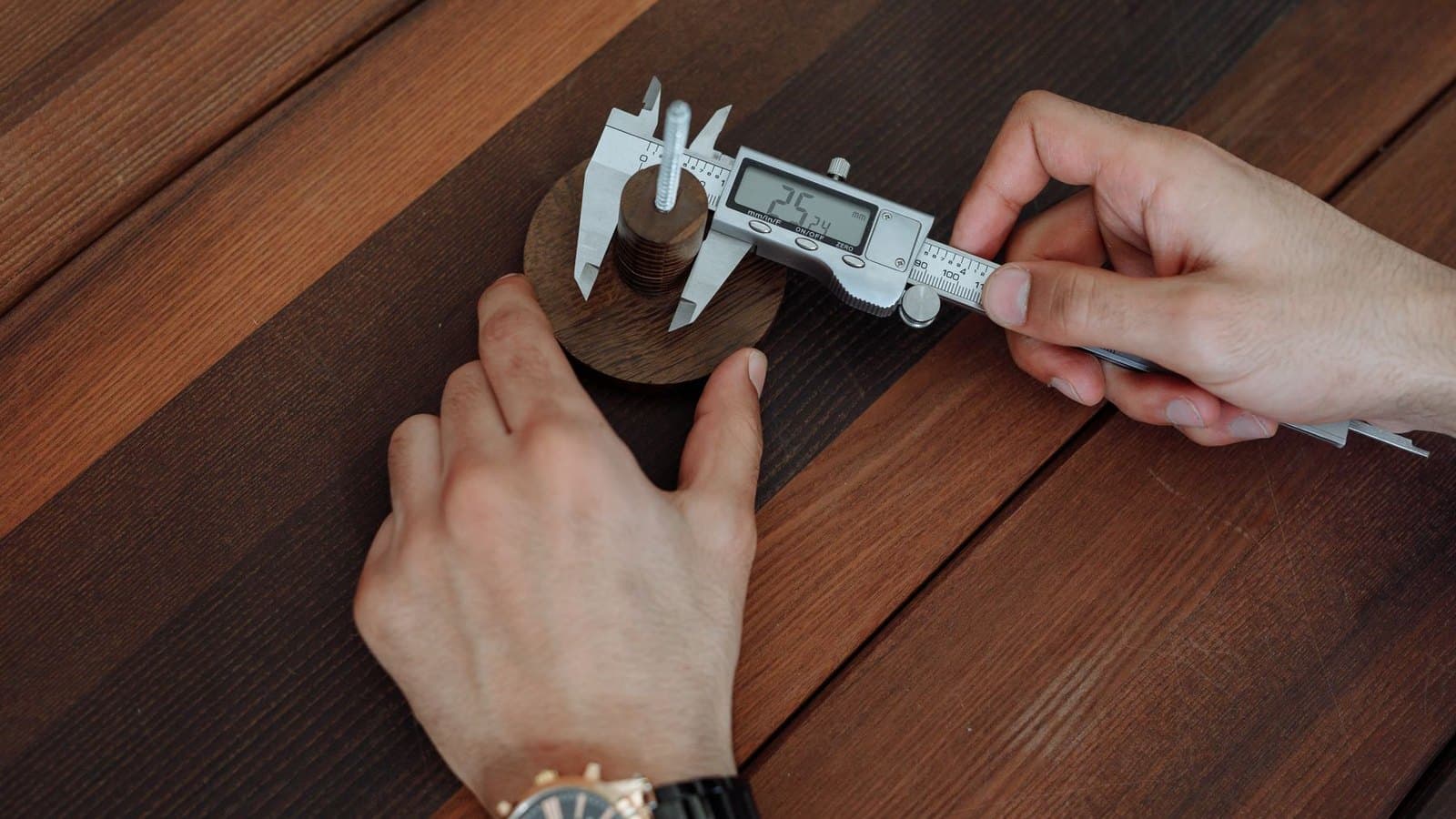
What this gate must produce: a written specification that a stranger could build from. Materials and grades, dimensions with tolerances on the ones that matter, finish, colour with a reference rather than a name, function and how it will be verified, packaging and artwork with version numbers, and the markings the destination market requires.
Say which dimensions are critical. A drawing where everything carries the same tolerance tells a factory nothing about what to protect when something has to give — and something always has to give.
And write the defect classes here, not later: what would be critical, what major, what minor, with examples. An inspector cannot record a fault nobody has defined as a fault. This one paragraph is what turns the fourth gate from an opinion into a measurement.
If a factory quotes without asking a single question about any of this, that is information about the factory. A supplier who has understood a specification usually has at least one question about it.
Gate 2 — the sample, and which sample
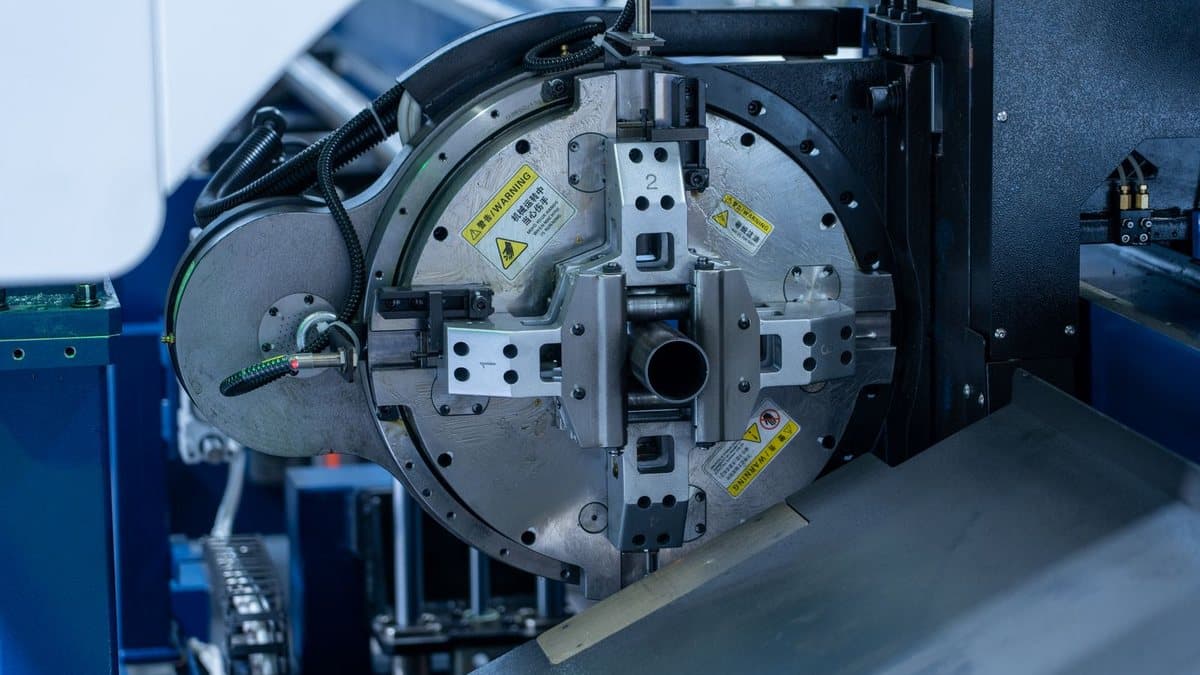
Approval of a sample is the moment your specification becomes a physical object that both sides can point at. It is also the moment most commonly misunderstood, because several different things are called "a sample" and they prove different things — an off-the-shelf unit, a hand-made prototype, a pre-production unit, a signed reference and a production unit are five distinct objects.
What this gate must produce: a physical reference, held by BOTH sides, identified in the purchase order, and photographed for the file. Without it, "matches the approved sample" is a sentence with no object in it, and the fourth gate has nothing to compare against.
Approve against the specification, not against your hopes. The useful question is not "do I like it" but "does it meet the written spec, and if it does not, which line is wrong — the sample or the spec?" A mismatch found here is free to fix; the same mismatch found at gate 4 is a container.
And be explicit about what the sample was made ON. A unit made by hand, or on a different machine, or from a different material lot, is evidence about a design rather than about production — which is exactly the confusion that produces a perfect sample and a disappointing batch.
Gate 3 — while it is still being made
This is the gate almost nobody uses, and it is the one that separates buyers who have quality problems from buyers who do not. Between "we have started" and "it is ready for inspection", a run can be entirely made wrong, and nothing in the standard process looks at it.
What this gate must produce: evidence from the first production units, before the rest are made. Photographs of the first units off the line, key measurements taken and sent, and a confirmation that the materials and components used are the ones specified.
The single most valuable request in this whole article is also the easiest: ask for photographs and measurements of the FIRST units, and hold everything until you have looked at them. A run that starts wrong stays wrong, and the difference between catching it at unit fifty and unit five thousand is the entire cost of the mistake.
Watch specifically for substitution. A late or unavailable component puts a factory under pressure to use what it can get, and a swap made to protect a delivery date is exactly the swap that does not get reported. A clause forbidding substitution without written approval costs nothing and turns a silent change into a conversation.
For a first order, or a product where a failure would be expensive, an inspection DURING production rather than after it is a small extra cost that buys the only thing pre-shipment inspection cannot: time to act.
Gate 4 — before it ships, and what to do when it fails
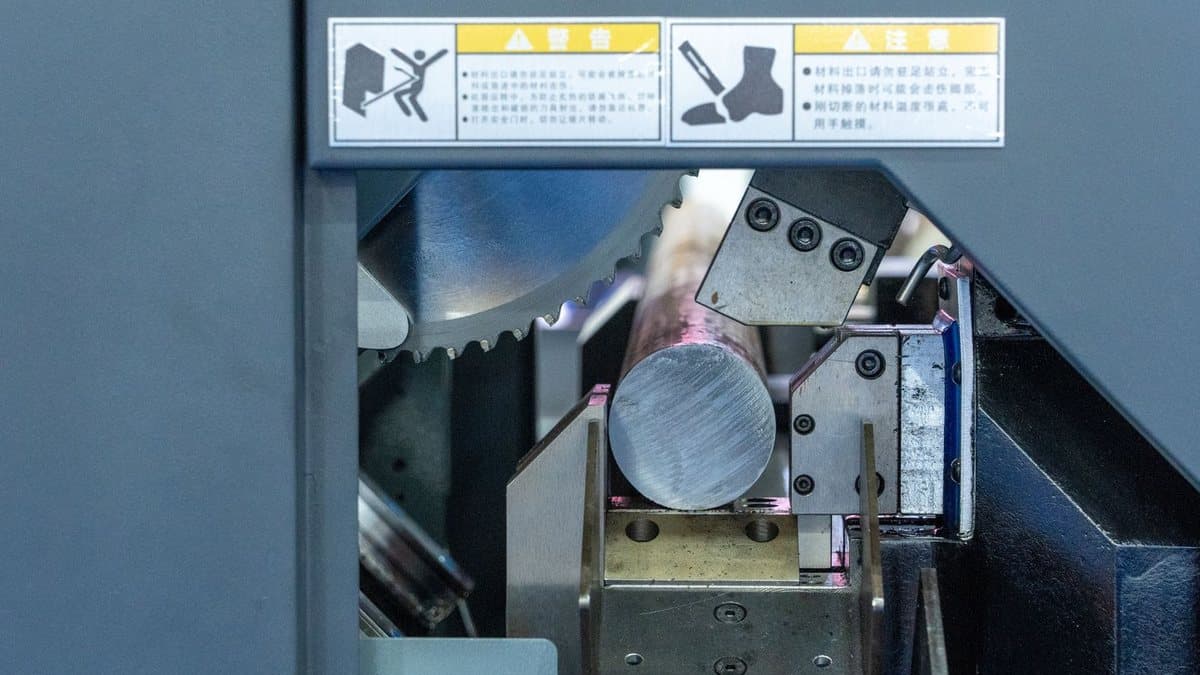
What this gate must produce: an independent report, against your defect list, on goods that are finished and packed, early enough to act on. The mechanics of that — what an inspector physically checks, how the sampling works, and which standard applies to a one-off order — are their own subjects and are covered separately rather than repeated here.
Three things belong in the booking and are routinely left out: the scope in writing, who selects and pays the inspector, and the CONSEQUENCE of a fail. Deciding the consequence in advance — sorting at the supplier's cost, rework and re-inspection, a discount, or refusal, plus who pays for the second visit and how many attempts are allowed — is what stops a failed inspection turning into a negotiation conducted while your goods sit in someone else's warehouse.
Keep a balance unpaid until the report exists. An unpaid balance is the only leverage that still exists once production has finished, and a supplier who accepts inspection before the balance is telling you they expect to pass.
And read the photographs before the result. They are the part of a report that cannot be summarised, and what you notice in a picture of the packing line is frequently more useful than the conclusion on page one.
Finally, the honest limit of the whole sequence: none of these four gates makes a product legal to sell. Compliance is answered by test reports and conformity assessment against the applicable standards, which is separate work in a laboratory — and a passed inspection has never made anything lawful.
Questions people actually ask
What should a quality control checklist for a China order contain?
Less a list than a sequence. Quality is decided at four moments — the written specification, the approved sample, the first units off the line, and the pre-shipment inspection — and only the last involves an inspector. Order your checks by when they happen, because the earliest ones cost nothing and the last one is the only gate where every remaining option is expensive.
Why is there no printable checklist on this page?
Because a generic list gets adopted whole, and the items that decide quality for your product — the two dimensions that must hold, the finish that always drifts, the component that gets substituted — are exactly the ones a generic list cannot contain. What travels between products is the order of the gates and what each must produce; the specifics have to be written for the product.
What is the single most valuable check?
Photographs and measurements of the FIRST units off the production line, held before the rest are made. A run that starts wrong stays wrong, and the difference between catching it at unit fifty and unit five thousand is the entire cost of the mistake. It is also the gate almost nobody uses.
When should defect classes be agreed?
In the specification, before production starts — not in the inspection booking. An inspector cannot record a fault that nobody has defined as a fault; they can note it as an observation, which is precisely the status that lets it be argued about later. Writing what counts as critical, major and minor, with examples, is what turns the final gate from an opinion into a measurement.
What happens if the pre-shipment inspection fails?
Whatever you agreed in advance. Put the consequence in the purchase order: sorting at the supplier's cost, rework and re-inspection, a discount, or refusal; who pays for the second visit; and how many attempts before the order is cancelled. A failure with no agreed consequence becomes a negotiation conducted under time pressure while the goods sit in someone else's warehouse.
Does passing all four gates mean the product is compliant?
No, and this is the honest limit of the sequence. These gates check the goods against your specification. Whether the product may lawfully be sold in your market is answered by test reports and conformity assessment against the applicable standards — separate work, done in a laboratory rather than on a factory floor.