
Sourcing portable power stations
Work out how it will travel before you choose the capacity. That order of operations is the whole difference.
Published · 7 min read · By YCP Team

On this page
Freight is the first specification, not the last

Energy content is the gate. Lithium transport rules are written around the energy in the pack, and above a threshold the practical options narrow sharply. The consequence is not a surcharge, it is a different supply chain: sea freight, a pipeline measured in weeks at sea plus port and inland time, and a restock decision that has to be made long before you can see the demand.
The thresholds themselves are deliberately not published here. They belong to the guides on watt-hour conversion and shipping lithium batteries by air, because a set of numbers repeated in several places is a set of numbers that eventually disagrees with itself. Read them there, then design the product around what they permit.
What it means commercially. Long lead times mean forecasting error is expensive, a launch date is a sailing date, and a firmware bug found after shipment cannot be fixed by air-freighting replacements. Plan a longer pilot, hold the launch until the pilot has been received and tested, and treat the first container as the real test rather than the first sale.
Documentation travels with the product. UN 38.3 for the cell, the pack and often the finished article; a safety data sheet; the dangerous-goods declaration; and packaging that matches what the report describes. A missing or mismatched document is a container that does not move, and the demurrage is charged daily.
And check the destination's own import rules for large lithium products before you commit — several markets treat them differently from small consumer batteries, and that is a question to answer before production rather than at a border.
The battery management system is the product
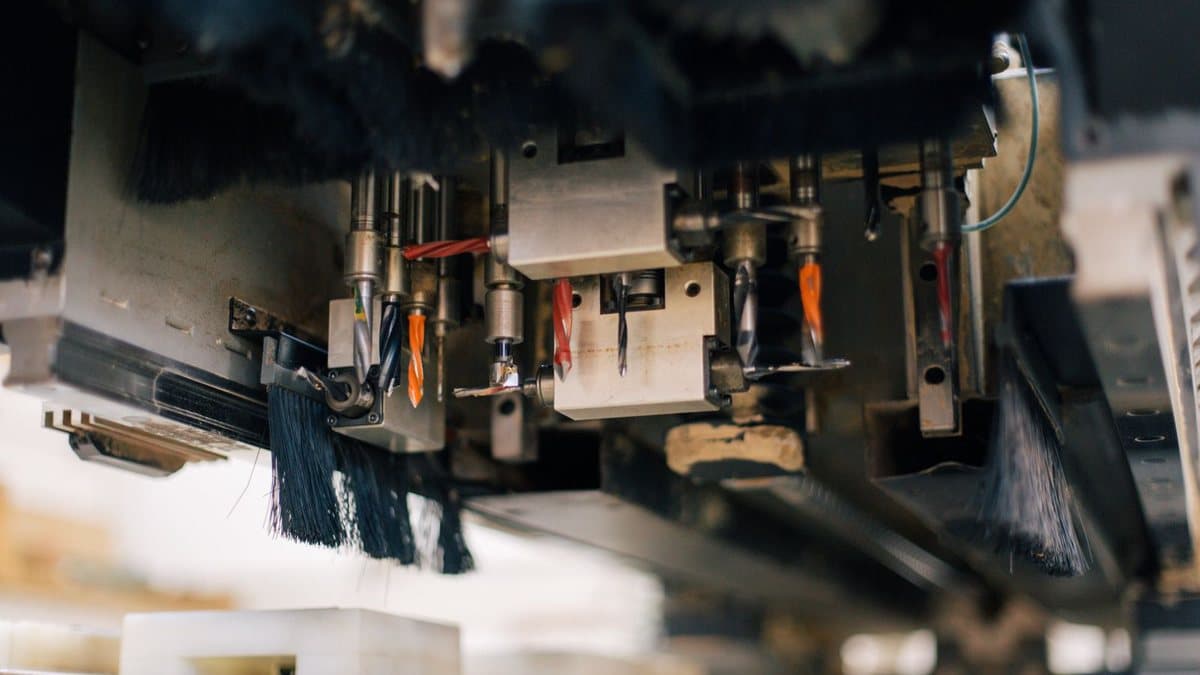
What the BMS does. It balances the cells so the pack ages evenly, cuts off on over-charge, over-discharge, over-current and over-temperature, decides what happens when one cell misbehaves, and reports state of charge. A pack with good cells and a poor BMS is a worse product than the reverse.
Ask for the thresholds in numbers, and ask who can change them. Cut-off voltages, current limits, temperature limits and the recovery behaviour at each. A factory running its own BMS answers precisely; an assembler quotes a datasheet it did not write.
Low-temperature charging. Charging a lithium-ion cell below freezing damages it, and a BMS that permits it is a design defect rather than a feature. Ask what the low-temperature policy is and test it in a cold room, because the failure is invisible until the pack degrades months later.
Chemistry. LiFePO4 packs are heavier and generally chosen for cycle life and thermal behaviour; NMC packs are lighter and denser. Neither is universally right, but the choice changes weight, freight, cycle life and safety margins together, so make it deliberately rather than by price.
No cycle-life figure appears on this page. Cycle life depends on chemistry, depth of discharge, temperature and the test definition, and a single headline number without those is marketing. Define the test — depth of discharge, rate, temperature, and the retained-capacity threshold that counts as end of life — and have it measured to your definition.
The output side and the claims that get challenged
Inverter waveform. A pure sine wave inverter and a modified sine wave inverter are different products at different prices, and sensitive equipment — some medical devices, some motors, some chargers — misbehaves on a modified wave. Specify which, and if you claim pure sine, require the waveform to be measured and the report supplied.
Continuous versus surge output. The number on the box is often the surge. Specify the continuous output, the surge, how long the surge is sustained, and what happens at the limit. Then test it: a station that meets its continuous rating for two minutes and then throttles will be reviewed on that behaviour.
Capacity in watt-hours, stated honestly. Watt-hours is the meaningful unit and is also what freight rules use, so it should be on the product and in the listing. Usable capacity is less than nameplate capacity because of inverter and conversion losses — publish the basis of your claim rather than the largest number.
Ports, charging inputs and solar. Which ports, at what output, in what combinations; the AC recharge time and the DC/solar input range and its maximum voltage. Solar input voltage limits are a real safety matter and a common source of field failures when a user connects too large an array.
Certification. Product safety in each destination, radio approval where there is wireless, and the transport documentation above. And as always, placing it on the market under your own brand generally makes you the manufacturer for regulatory purposes.
Choosing the factory and testing
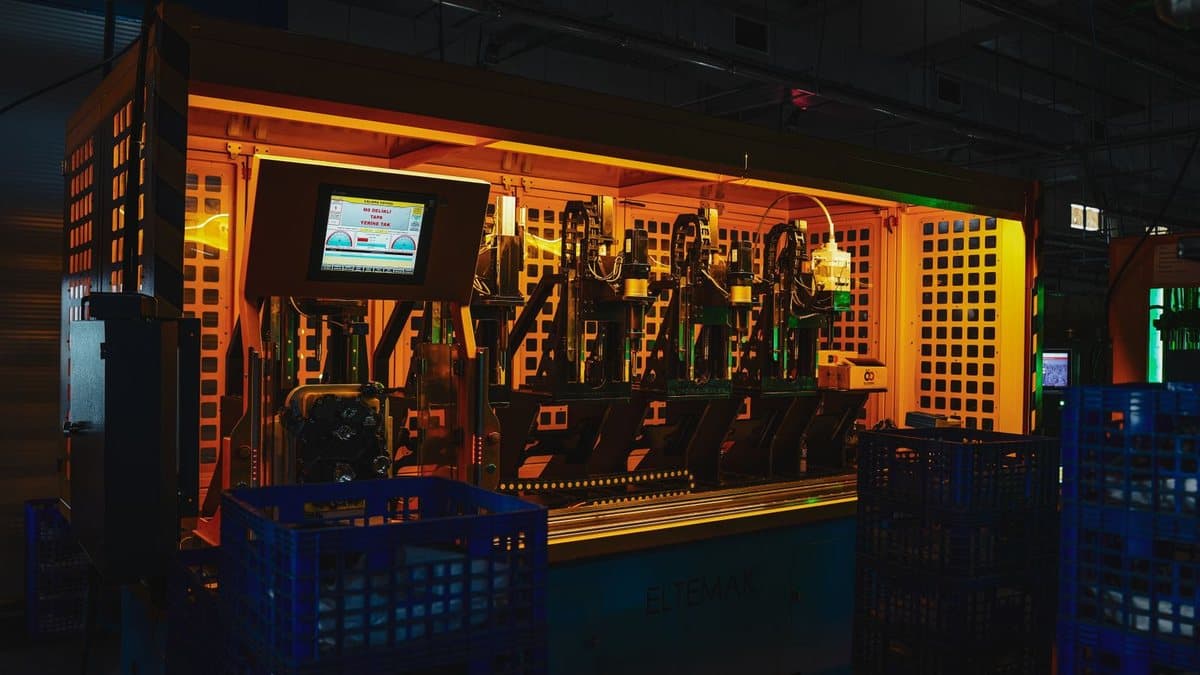
Business licence and business scope (经营范围) first, then: who builds the pack, who writes the BMS firmware, and who can change either? Many "power station factories" assemble a bought pack and a bought inverter into a bought case, which is a legitimate model but means nobody in your conversation can answer a failure analysis.
Ask what is tested on every unit: capacity, insulation, inverter output, protection function trip points, and a burn-in. Then ask what the factory does with units that fail, and what its dominant field failure has been.
Test hard and cold and hot. Full discharge at continuous rating, surge behaviour, recharge time, low-temperature charging policy, and a thermal soak at the top of the specified ambient range. Then leave one on charge for a month and see what the state-of-charge reporting does.
Then open one. Cell markings and manufacturer, how the pack is assembled and fused, the BMS board, the inverter, the thermal path and the fan, and how the enclosure is secured. This is a product where a teardown is not optional diligence.
Every supplier on this site is a manufacturer, and the registered-scope check is one of the things confirmed before a listing goes live.
Questions people actually ask
Can portable power stations be air freighted?
Above a certain energy content, not practically. Lithium transport rules are written around the energy in the pack, and past a threshold air freight stops being merely expensive and becomes unavailable — which makes capacity a supply-chain decision as much as a product one. Decide the freight before the specification, and read the thresholds in the guides that carry them.
What matters more, the cells or the BMS?
The battery management system. Cells are a commodity two factories can match; the BMS decides balancing, protection thresholds, low-temperature behaviour, what happens on a cell fault and how the pack ages. A pack with good cells and a poor BMS is a worse product than the reverse.
LiFePO4 or NMC for a power station?
It is a deliberate trade rather than a ranking. LiFePO4 is heavier and generally chosen for cycle life and thermal behaviour; NMC is lighter and denser. The choice moves weight, freight cost, cycle life and safety margin together, so make it on purpose rather than on price.
Is a pure sine wave inverter necessary?
It depends what your customers will plug in. Some medical devices, motors and chargers misbehave on a modified sine wave. Specify which waveform you are buying, and if you claim pure sine, require the waveform to be measured and the report supplied — it is a claim that gets tested by reviewers.
Why is usable capacity lower than the nameplate figure?
Because inverter and conversion losses sit between the pack and the socket. Watt-hours is the meaningful unit and the one freight rules use, so state it — and publish the basis of your usable-capacity claim rather than the largest number, since this is the specification reviewers measure first.
What should I test on a power station sample?
Full discharge at the continuous rating rather than the surge; surge duration and behaviour at the limit; recharge time; the low-temperature charging policy in a cold room; a thermal soak at the top of the ambient range; and a month on charge to see what state-of-charge reporting does. Then open one and inspect the cells, fusing, BMS, inverter and thermal path.