
Sourcing headphones from China
Buyers spend their attention on the drivers. Customers return them for the hinge.
Published · 6 min read · By YCP Team

On this page
The mechanical specification that prevents returns
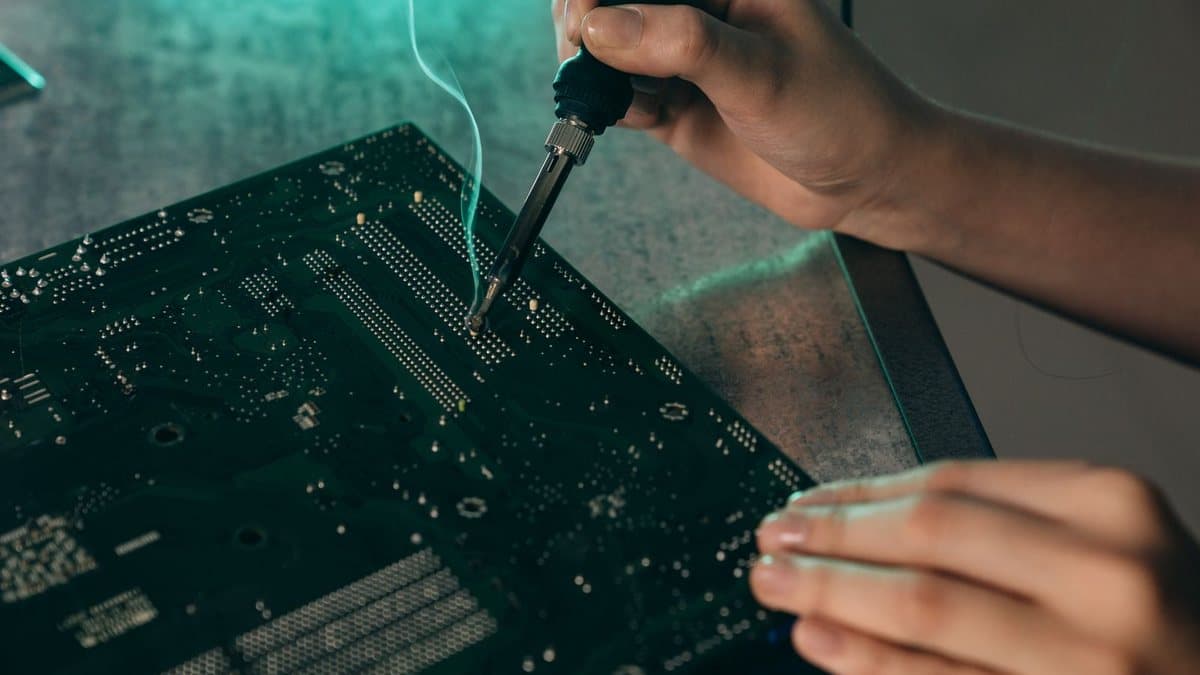
Hinge and fold. The single most common failure. Ask what the hinge is made of — a metal core is a different product from moulded plastic — how it is fixed, and what its cycle life is under a defined test. Then define that test yourself: the angle, the load, the speed and the number of cycles that constitutes a pass.
Headband and slider. The core material, whether it is a steel band inside a moulded shell, and how the slider detents are formed. A slider that loses its steps is a headphone that will not stay adjusted, and it is a complaint that arrives months after purchase.
Earpads. Material, covering, how the covering is attached, and whether pads are user-replaceable. Protein leather that flakes after a year in a warm climate is the most predictable long-term complaint in this category, and it is a material specification rather than an accident. If your market is hot and humid, say so in the specification.
Cable entry and connector. On wired models this is where intermittence starts. Strain relief geometry, whether the joint is supported, and whether the cable is detachable — a detachable cable turns the commonest failure into a spare part rather than a return.
Clamp force and weight distribution. Too tight is uncomfortable in an hour; too loose falls off. This is measurable, so measure it on samples and write the target range into the specification.
The acoustic and electronic side
Drivers and tuning. Diameter and type set a ceiling; tuning, earcup volume, damping and the earpad's seal decide what you actually hear. Ask whether the tuning belongs to the factory or to a reference design, and whether it can be changed for you — the answer decides whether you have a product or a badge.
Seal is half of the bass. A pad that does not seal on a real head loses low frequencies and ruins active noise cancellation at the same time. Test on several heads, including with glasses on, which is the case most often ignored and most often complained about.
Active noise cancellation is a design, not a number. Architecture, microphone placement, seal and tuning decide it, and published attenuation figures are measured differently by everyone. No decibel figure appears on this page; compare samples in the environment you care about.
For wireless models, the connection and qualification story is the same as for any Bluetooth product: qualification with a Declaration ID against a member company, radio approval per destination market, and the marks are trademarks. Battery and its transport documentation apply as well.
Sound-level obligations. Several markets expect personal listening devices to limit output or to warn, and the obligation attaches to the product placed on the market rather than to the factory. It can affect firmware limits and packaging text, so establish the applicable requirement before production rather than after the first shipment.
Testing a sample the way a customer will destroy it
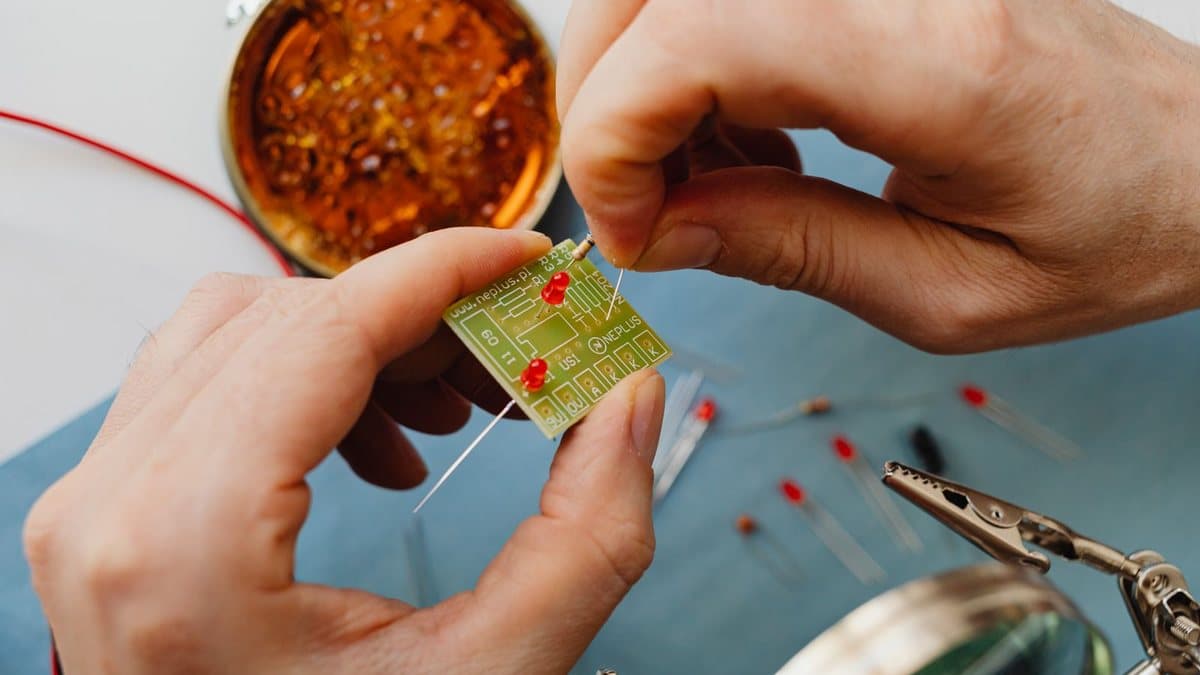
Fold it several hundred times. Not by hand for five minutes — set a target from your specification and have it run, then inspect the hinge under magnification for stress whitening and cracks.
Wear them for four hours, on several people, including with glasses. Comfort complaints and clamp-force complaints only appear over time, and they are a large share of returns for a product people wear all day.
Age the earpads deliberately. Heat, humidity and skin contact are what destroy pad coverings. A week in a warm humid box tells you something about a year in a hot market.
Flex the cable entry, repeatedly, at the angle a bag imposes. And test the detachable connector, if there is one, for retention after many insertions.
Then take one apart. Hinge construction and whether it has a metal core, how the headband is terminated, how the driver is mounted and sealed, wire routing through the hinge — wires that pass through a moving joint without a service loop are the second-commonest failure — and the board.
Choosing the factory
Business licence and business scope (经营范围) first — a manufacturer's registered scope names production. Then ask which parts are made in-house: many headphone assemblers buy the drivers, the headband and the pads and assemble, and that is fine as long as you know who to ask when a hinge fails.
Ask for the mechanical test data, not just the audio data. A factory that runs a fold-cycle rig and can show you its own numbers is a factory that has had a hinge failure and fixed it. One that has never measured it is one you will be measuring for.
Agree the tooling question if the shape is yours. Who owns the mould, where it is stored, and what happens if production moves — before the money moves, not after.
Then buy five, destroy two, wear two and keep one sealed and dated.
Every supplier on this site is a manufacturer, and the registered-scope check is one of the things confirmed before a listing goes live.
Questions people actually ask
Why do headphones get returned?
Mechanically, almost always: a cracked hinge, a headband slider that has lost its detents, an earpad covering that has flaked, or a cable entry that has gone intermittent. Drivers rarely fail. So the specification and the sample testing that pay are mechanical — hinge construction, slider cycle life, pad material and cable strain relief.
What should I specify for headphone durability?
Hinge material and construction with a defined fold-cycle test — angle, load, speed and pass criterion set by you; headband core material; slider detent construction and cycle life; earpad material and attachment, with a heat-and-humidity ageing requirement if your market is hot; and cable entry strain relief, or a detachable cable.
Why do my headphones lose bass on some people?
Because the earpad is not sealing. Seal is half the bass and most of the active noise cancellation, and it varies with head shape, hair and glasses. Test on several people including with glasses on — it is the case most often ignored in sampling and most often complained about afterwards.
Is there a legal limit on how loud headphones can be?
Several markets expect personal listening devices to limit output or to carry sound-level warnings, and the obligation attaches to the party placing the product on the market — you, once your brand is on it. The applicable requirement depends on the market and the standard version, so establish it before production because it can change firmware and packaging.
How do I compare ANC between two samples?
In the environment you care about, not by published decibel figures — those are measured differently by every supplier and mean nothing without the test condition. Use the same source material and the same people in a cabin recording, a train or an office, and check the seal on each head first, because a poor seal defeats good electronics.
Are headphone suppliers usually factories?
Many are assemblers who buy drivers, headbands and pads. That is a legitimate model, but it changes who can answer a failure analysis and who can change a tuning. Read the business scope (经营范围) on the licence, then ask separately which parts are made in-house and who owns the acoustic tuning.