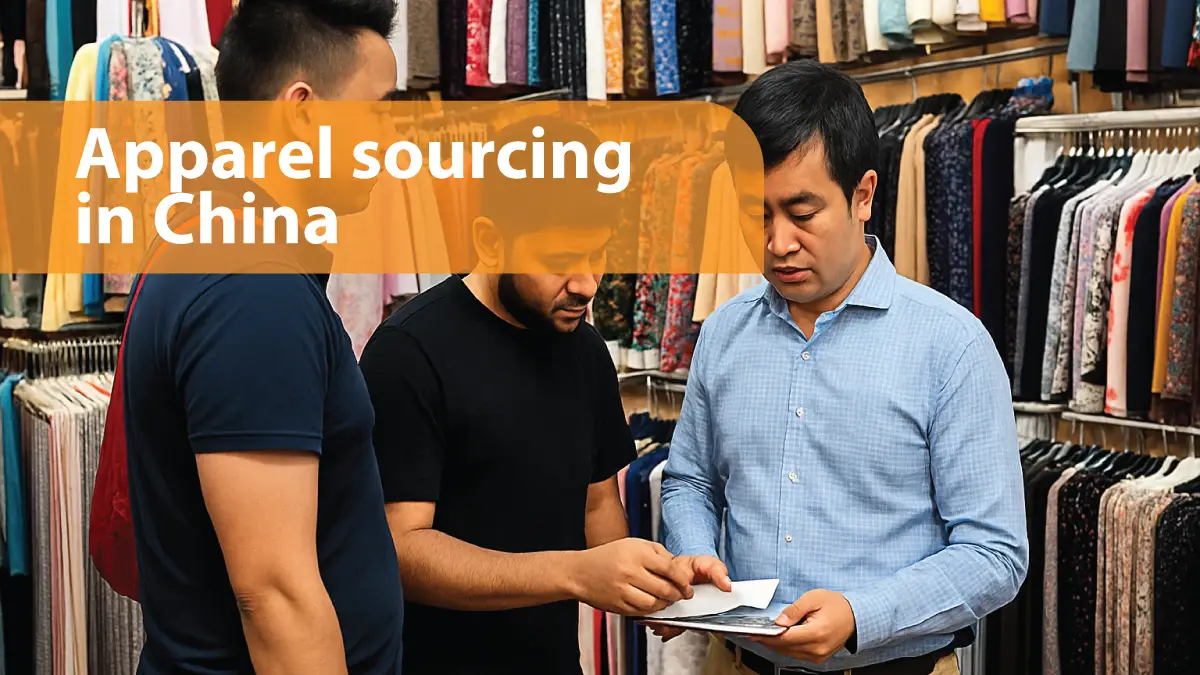
Apparel sourcing China has become a cornerstone for fashion brands and retailers looking to balance cost and quality. China is the world's largest clothing exporter – it produces over 70 billion garments annually (more than half of the global output). This guide is brought to you by YourChinaPartner in collaboration with Vival, combining our sourcing expertise with industry innovation. YourChinaPartner is a trusted China sourcing company that has helped businesses worldwide navigate the complex Chinese supply chain, while Vival’s cutting-edge solutions enhance efficiency and transparency.
Our goal is to empower you with actionable insights on apparel sourcing China, from finding reliable manufacturers to ensuring top-notch quality and smooth logistics.
Why it’s hard: In apparel sourcing China, the sheer scale is both the opportunity and the challenge. China’s textiles–garments export machine shipped roughly US$301.1B in 2024 (textiles ~US$142B; garments ~US$159B), recovering from a softer 2023 and reaffirming its role as the world’s largest hub. ASEAN, the US and the EU remained core destinations, each growing in 2024 despite macro headwinds.
What the next 5 years might look like: By 2030, the global apparel market is forecast in the ~US$1.64T–US$2.26T range (methodologies vary), implying a low-to-mid single-digit CAGR from 2025. Most analysts see growth driven by e-commerce penetration, value/affordable fashion, and near-shoring/China-plus-one strategies.
At the same time, fashion leaders expect a choppy demand environment and rising climate/disruption risks. McKinsey notes subdued sentiment into 2025 and warns that extreme weather could jeopardize up to US$65B of apparel exports by 2030 across key producing economies. Translation: plan for growth, but price in volatility and resilience.
Bottom line for planners: With the global pie likely larger in 2030, China’s role will stay central (thanks to depth in mills, trims, washing/finishing, and logistics). Expect modest value growth in China’s exports overall, but shifting lanes (e.g., relatively more to the EU/ASEAN when US tariffs bite, and more tech-enabled categories), plus a premium on compliance and speed.
One of the first challenges in apparel sourcing China is choosing the right supplier from thousands of options. China exported over $180 billion in apparel and textiles in 2024, with 100,000+ manufacturers available – a huge opportunity, but also overwhelming without a plan.
Solution: Start with focused research. Identify which manufacturing hubs align with your product: for example, Guangdong (cities like Guangzhou, Dongguan) excels in large-scale garment production, while Zhejiang (e.g. Yiwu) is known for smaller batch custom apparel. Use reputable B2B platforms (Alibaba, Made-in-China, GlobalSources) and attend trade fairs like the Canton Fair to meet suppliers in person. Always vet potential partners by checking certifications (e.g. ISO 9001 for quality management, BSCI or Sedex for ethical compliance) and reviewing their track record.
Why this works: A strategic approach narrows your search to proven suppliers in the right region and specialization. Verifying credentials and meeting suppliers (physically or virtually) builds trust and filters out unreliable factories, laying a strong foundation for your apparel sourcing China success.
Maintaining consistent quality is a critical issue in apparel sourcing China. Production mistakes or subpar materials can ruin your brand’s reputation.
Solution: Implement a rigorous quality control process from day one. Begin by requesting pre-production samples from shortlisted suppliers to verify fabric, stitching, sizing, and overall craftsmanship. Compare these samples against your market standards and provide clear feedback for improvements. Once you place an order, don't just wait for it to finish – schedule inspections during production and before shipment. You can conduct inspections personally if you’re able to visit, or hire independent third-party inspectors (firms like SGS or Bureau Veritas) to audit the factory and check the goods on your behalf. Set well-defined quality criteria (for instance, acceptable defect rates and specific color or size tolerances) in your purchase agreement.
Why this works: Catching issues early through sampling and inspections prevents costly surprises. By the time your bulk order ships, you have confidence that the products meet your standards. This proactive approach in apparel sourcing China saves time, money, and protects your brand’s quality image.
When managing apparel sourcing China projects, communication gaps can lead to misunderstandings in specifications, delays, or even production errors. Time zone differences and language barriers are a reality when dealing with overseas manufacturers.
Solution: Establish clear and proactive communication channels. Use simple, unambiguous language in all documents, and consider translating key technical terms into Chinese to aid understanding. Visual aids like tech packs, design sketches, or product photos are invaluable for clarity. It's often wise to leverage an on-ground partner or bilingual sourcing agent – they can bridge language and cultural gaps and keep everyone on the same page. Tools like email and WeChat (widely used in China) ensure quick updates; schedule regular check-in calls despite time differences. Also, take time to learn about Chinese business etiquette and culture – for example, understanding the importance of patience and maintaining good relationships (guanxi) can smooth negotiations.
Why this works: Clear communication and cultural respect minimize misinterpretations and build stronger partnerships. By proactively addressing language and cultural differences, you reduce delays and foster a cooperative relationship with your Chinese suppliers, leading to more reliable apparel sourcing China outcomes.
Even if production goes well, apparel sourcing China can falter due to logistical snags or unexpected costs. Shipping internationally involves careful coordination and compliance.
Solution: Plan your logistics early for any apparel sourcing China project. Decide on the shipping method that best fits your timeline and budget. For large orders that are not urgent, sea freight is cost-effective (often around $50–$200 per cubic meter) though it takes longer (roughly 3–6 weeks for ocean transit). If you have a tight deadline or smaller volume, air freight can deliver in about a week, albeit at higher cost (priced by weight). Work with reliable freight forwarders and clarify Incoterms (shipping terms like FOB or CIF) with your supplier to avoid confusion over who handles freight and insurance. Prepare all necessary paperwork ahead of time – commercial invoices, packing lists, bills of lading, and any certificates – to ensure smooth customs clearance. Stay aware of import duties and taxes in your destination country. (For example, U.S. importers currently face about 25% tariffs on Chinese apparel, so factor such costs into your pricing.)
Why this works: Proactive logistics planning prevents costly delays at the port and surprise fees. By choosing the optimal shipping mode and handling customs requirements diligently, you ensure your apparel sourcing China shipments arrive on schedule and within budget.
Compliance is a multifaceted concern in apparel sourcing China, encompassing both legal regulations and ethical standards. Issue: If products violate safety or labeling rules, or if a supplier engages in unethical labor practices, your business could face legal penalties and reputational damage.
Solution: Do your homework on regulatory requirements for every market you sell in. Verify that your Chinese manufacturers understand and follow these rules – whether it’s using only approved dyes and materials (to meet health and safety standards) or proper labeling for fiber content and care instructions. It’s prudent to consult a customs broker or import/export specialist if you're unsure about regulations. Simultaneously, vet suppliers for ethical compliance. Check for social responsibility certifications like BSCI or SA8000, and confirm the factory conditions meet acceptable labor standards. Remember that ensuring the manufacturer follows fair labor practices is not just morally right but also vital to avoid public backlash. Use a solid written contract to protect your interests – include clauses on quality expectations, delivery timelines, and penalties for non-compliance.
Why this works: For those pursuing apparel sourcing China, an ethical, legally compliant approach shields you from legal troubles and safeguards your brand’s reputation. It also builds trust with customers and creates a sustainable long-term supply chain.
In summary, mastering apparel sourcing China requires careful planning, reliable partners, strict quality control, clear communication, and proactive compliance. Here are the key takeaways to help you succeed:
Plan and research thoroughly: Understand your product and market requirements, then align them with the right Chinese manufacturing hub. A focused plan for apparel sourcing China saves time and zeros in on the most suitable suppliers.
Choose reliable suppliers: Don’t just chase low costs – in apparel sourcing China, reliability matters more. Vet manufacturers for quality, experience, and certifications. A slightly higher price from a dependable supplier is far better than headaches with late shipments or poor-quality products.
Implement strict quality control: In apparel sourcing China, always inspect samples and production runs. Catching problems early ensures the final apparel shipment meets your standards, protecting your brand’s reputation.
Communicate clearly and build relationships: Overcome language barriers with clear documentation (and consider a bilingual agent if needed). Regular communication and cultural understanding prevent miscommunication and foster a cooperative partnership.
Manage logistics and compliance proactively: Decide on shipping (sea vs. air) based on your timeline, and handle all import paperwork to avoid delays. Stay updated on tariffs and regulations, and work only with ethical suppliers.
By applying these takeaways, you set the stage for a smoother, more profitable apparel sourcing China experience, making China’s vast garment industry a valuable extension of your business. Feel free to share your experiences or questions in the comments.
Enjoyed this comprehensive apparel sourcing China directory? Follow our Facebook page, LinkedIn profile, or Instagram account for more expert insights and practical tips on global sourcing. If you’d like tailored support, contact yourchinapartner for a free initial consultation and a region-specific factory shortlist.

Reviewed and originally published by YourChinaPartner on October 7, 2025

Global HQ (Singapore)
24 Sin Ming Lane, #01-100
Singapore 573970
Shenzhen (Regional Office)
深圳市宝安区西乡街道固兴
路V都会1A505-506 (518101)